
Our Blog Posts
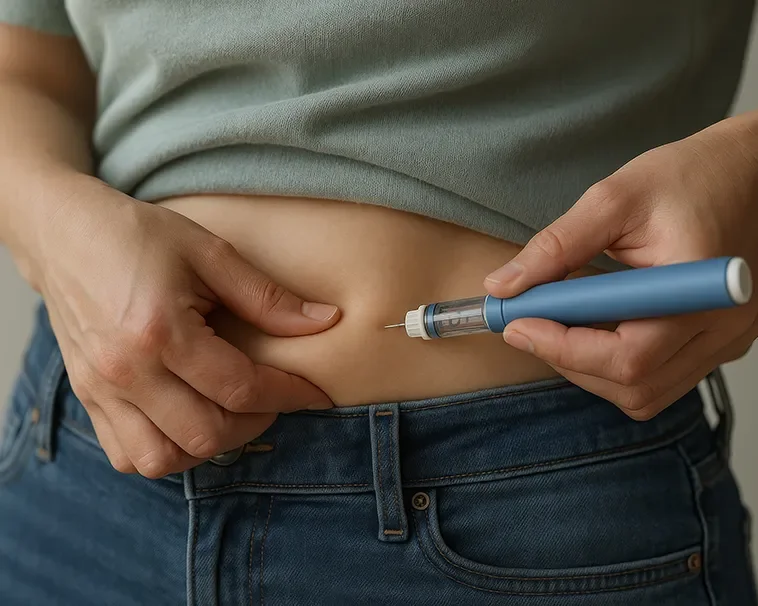
Med Spa vs. Endocrinologist: The Real Problem With GLP-1s Isn't the Drug — It's How It's Being Prescribed
You've probably heard the horror stories by now. Someone lost weight fast, then lost their energy, their muscle, and their hair. Someone quit because the nausea was unbearable. Someone stopped the medication and gained everything back, and then some. And the takeaway floating around the internet is that GLP-1 medications are the problem.
They're not.
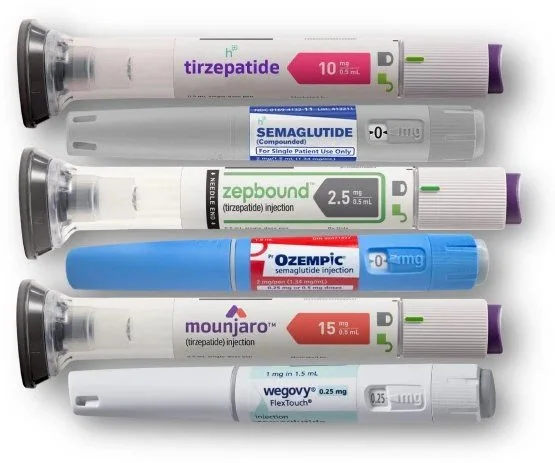
Who Qualifies for GLP-1 Medications? The Criteria, the Insurance Fine Print, and What's Off-Label
One of the most common questions I hear in my office is some version of: "Do I actually qualify for a GLP-1?" It's a fair question, and the honest answer is that it depends on which question you're really asking. There are two very different gatekeepers here — the science, and your insurance company — and they often disagree. Let me walk you through both, plus the medications themselves and the areas where these drugs are being used beyond weight loss.
Your Roadmap When Semaglutide Isn't Working
Last week, we covered the biology behind variable semaglutide response — why genetics, hormones, sleep, stress, and dosing all shape your results, and why a limited response is never simply a matter of trying harder.
This week: what to actually do about it. Here's the systematic, evidence-based approach we use at Healthy You when semaglutide isn't delivering the results a patient deserves.
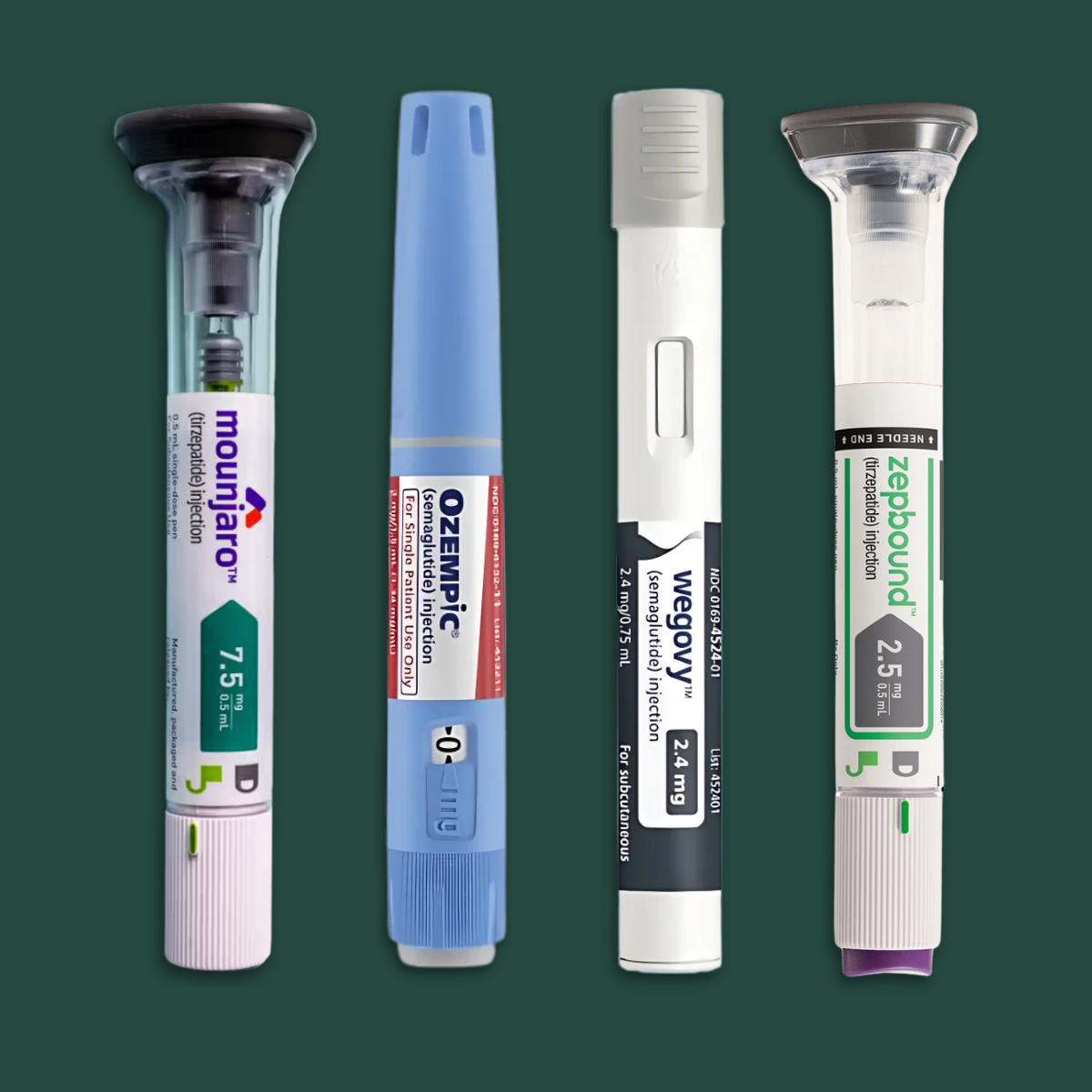
Why You're Not Losing Weight on Semaglutide
You started semaglutide with real hope. You'd heard about the clinical trials, seen the results in the news, maybe watched a friend drop thirty pounds with ease. So when the scale barely moves — or stalls entirely after a modest start — the disappointment can feel personal. Like your body is broken. Like you're doing something wrong.
You're not.
There Is No FDA-Approved Drug for PCOS. Here's What the Research Says We Should Be Using.
Polycystic ovary syndrome affects approximately 1 in 10 women of reproductive age. It is the most common endocrine disorder in women. It drives infertility, metabolic disease, type 2 diabetes, cardiovascular risk, anxiety, depression, and a relentless daily burden of symptoms — irregular periods, hair loss, acne, weight gain that doesn't respond to effort, and a medical system that often dismisses all of it. And yet, there is not a single FDA-approved medication specifically indicated for PCOS.
Not one.